In your 30s collagen and cell renewal begin to slow down gradually, and the first fine lines can appear. It is the perfect time to move from maintaining to actively supporting the skin, with the right routine at home and treatments that wake collagen. Start now and you stay a step ahead.
Here is what happens to the skin in your 30s and how best to look after it.
What happens to the skin in your 30s?
Somewhere in your 30s the body’s own production of collagen and elastin begins to slow down, often so gradually that you barely notice at first. Cell renewal gets slower, which can make the skin look a little more tired and less luminous than before. The first fine lines start to show, often around the eyes and where your face moves the most.
If you have been pregnant you may notice hormone-related pigmentation, such as melasma, a type we explain in more detail in our guide to the types of pigmentation. And the glow that came by itself in your 20s suddenly needs a little more help. None of it is dramatic, but it is the skin’s way of signalling that it is starting to need support.
The most important thing: move from maintenance to support
In your 30s it is time to upgrade from a pure basic routine to actively supporting the skin’s processes:
- Keep the basics, daily sun protection is still the most important thing, along with a regular routine.
- Add active ingredients that support collagen and cell renewal to your routine at home.
- Start with treatments that wake collagen, because this is when they begin to do real good.
- Be consistent, it is regularity, not one-off efforts, that gives results.
Treatments that suit your 30s
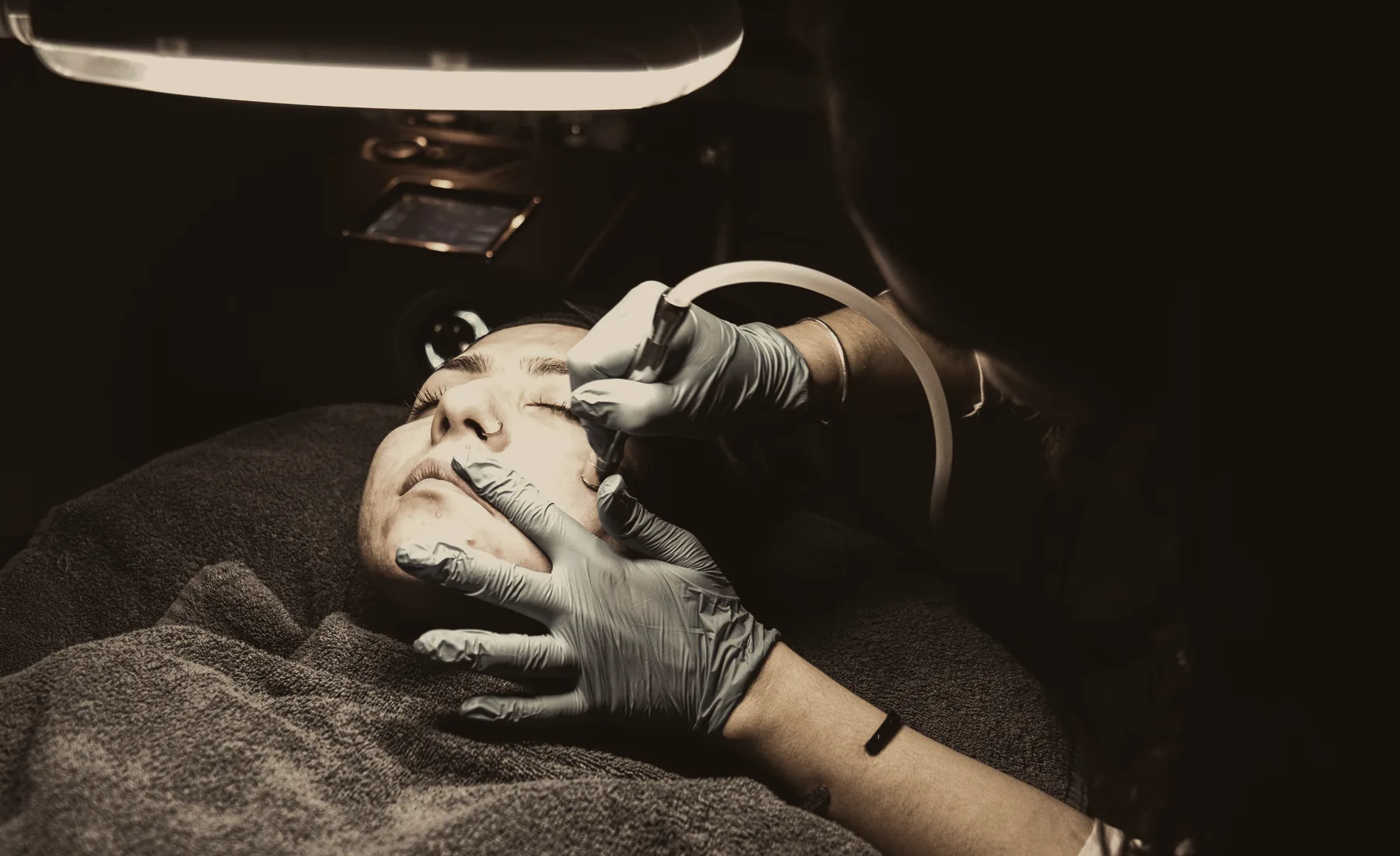
This is when treatments that stimulate the skin’s own renewal come into their own. Microneedling wakes collagen production and keeps the skin firm and even, while nourishing and oxygenating treatments bring back the glow that has begun to fade. If you are curious about more advanced renewal, growth factors can be worth a look already, especially as prevention.
The good thing about starting in your 30s is that you work with the skin while it still responds quickly, building a head start instead of having to catch up later. A well thought-out plan, even a simple one, makes a big difference over time.
If you want to know what comes next, read about skincare in your 40s or about our work on long-term skin health.