Pigmentation is an umbrella term, and melasma, sun spots and PIH are different types with different causes that need different treatment. Melasma is the most complex, because it can sit deep, is triggered by heat and light, and tends to come back. Whatever the type, daily sun protection is essential. And since the types can overlap and the wrong treatment can make some of them worse, an individual assessment is always worth it before you begin.
Here we go through the most common types of pigmentation, how to recognise them, and why melasma in particular deserves a little extra respect.
Pigmentation and melasma, are they the same thing?
No, and it is a common misconception. Pigmentation is the overall umbrella term for every kind of colour change in the skin, while melasma is one specific type of pigmentation. In other words: all melasma is pigmentation, but not all pigmentation is melasma. Knowing which type you have is the first step towards doing something about it, because the treatment differs.
Almost all pigmentation does have one thing in common, though: the sun makes it worse. Whatever the type, daily sun protection is the most important piece of the puzzle, both for preventing it and for keeping the results after treatment.
The most common types of pigmentation
Melasma
Melasma is triggered by hormones and often appears in connection with pregnancy, use of the contraceptive pill or other hormonal changes, combined with sun. It usually shows as larger, symmetrical patches on the face, typically on the forehead, cheeks and upper lip. Melasma is the trickiest type to treat, more on why further down.
Sun spots (lentigines)
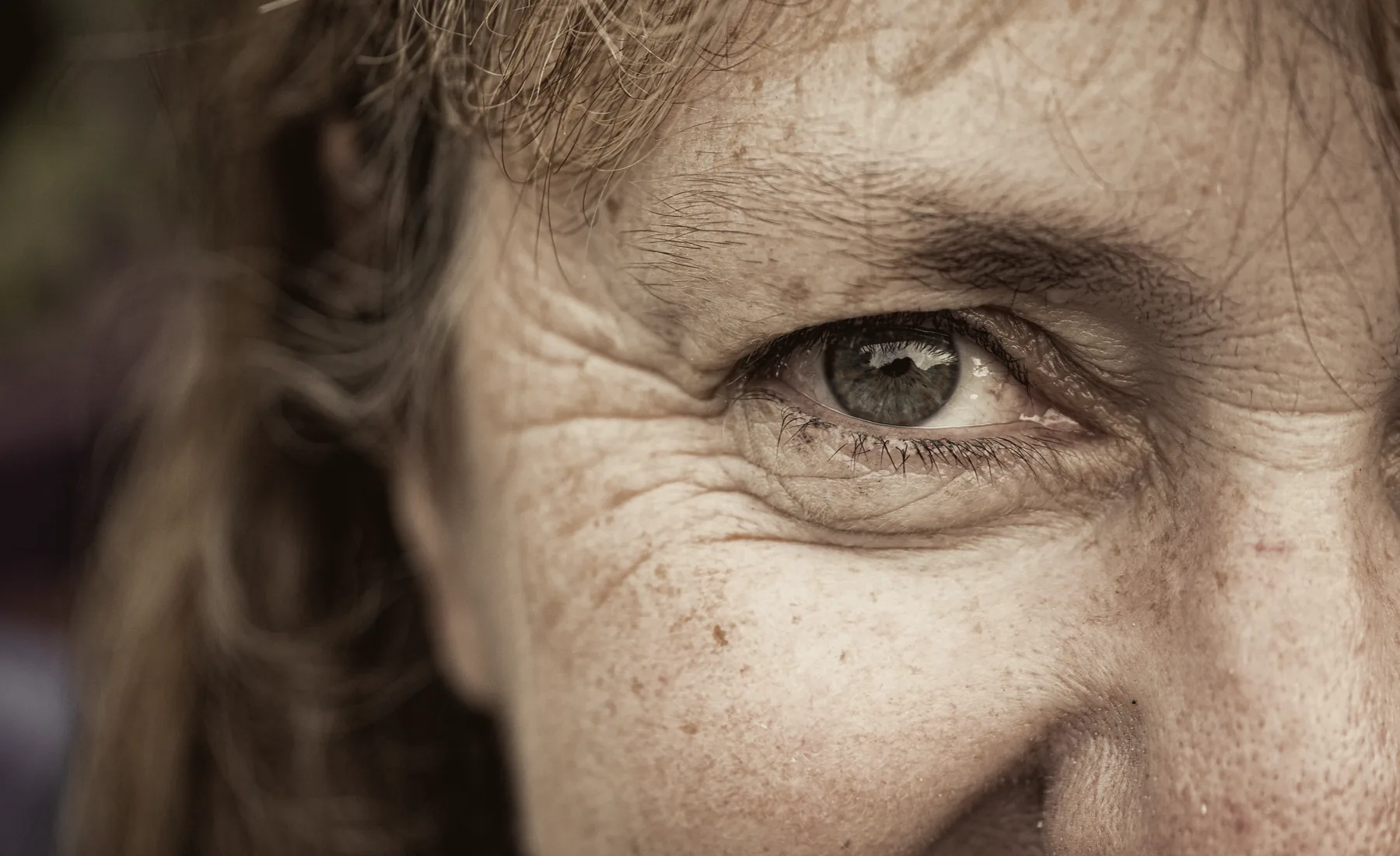
Sun spots are caused by the sun exposure you have built up over the years. They appear as smaller, clearly defined brown spots on the areas that have seen the most sun, such as the face, hands and décolletage. Sun spots are among the most rewarding types of pigmentation to even out.
Post-inflammatory hyperpigmentation (PIH)
PIH is the dark marks left behind after mechanical damage or inflammation in the skin, for example after acne, eczema, wounds or other skin injuries. If you have marks that linger long after a spot has healed, it is usually PIH, and it responds well to treatment. If you still have active acne we start there, see our acne facial.
Why is melasma so hard to treat?
Melasma deserves an explanation of its own, because it behaves differently from other pigmentation:
- It sits deeper. The pigment, melanin, can be found both in the outer layer of the skin (the epidermis) and further down in the dermis. The deeper the pigment sits, the harder it is to reach, which makes melasma more difficult to treat than ordinary sun spots.
- It is sensitive to heat and light. It is not only UV radiation that triggers melasma; visible light, heat (such as saunas or intense exercise) and hormonal swings can set it off too. That is why the wrong treatment, aggressive heat for example, can actually make melasma worse instead of better.
- It is stubborn. Melasma tends to return as soon as the skin is exposed to the sun again, even after the patches have faded. That is why treating melasma is often about keeping it in check over time rather than getting rid of it for good.
It is exactly this complexity that means melasma should always be assessed individually before treatment, since a method that suits sun spots can be entirely wrong for melasma.
How to tell which type you have
The short answer: it is hard to know for certain on your own, and that is perfectly fine. Symmetrical patches on the cheeks and forehead that appeared during a pregnancy point towards melasma, defined brown dots on the hands and face after many sunny summers point towards sun spots, and dark marks where you used to have spots or wounds are probably PIH. But the types can overlap, and the right treatment depends on both the type and how deep the pigment sits.
So the wisest step is to let someone look at your skin. At a skin assessment we can determine what type of pigmentation you have and what is actually safe and effective for your skin. How we work with pigmentation, and which treatments can help, is described on our page about treatment for dark spots and pigmentation.